Common Technical Faults in Medical Ultrasound Systems: A Comprehensive Analysis

Medical ultrasound systems are sophisticated diagnostic tools that rely on a complex integration of high-frequency electronics, sensitive piezoelectric materials, and advanced software processing. Due to their heavy daily utilization in clinical environments, these machines are susceptible to a variety of technical failures.
Understanding the common failure modes is essential for biomedical engineers, clinical technicians, and hospital administrators to ensure continuity of care and extend the lifespan of the equipment. This article examines the most prevalent faults encountered in modern ultrasound systems.
1. Transducer and Probe Failures
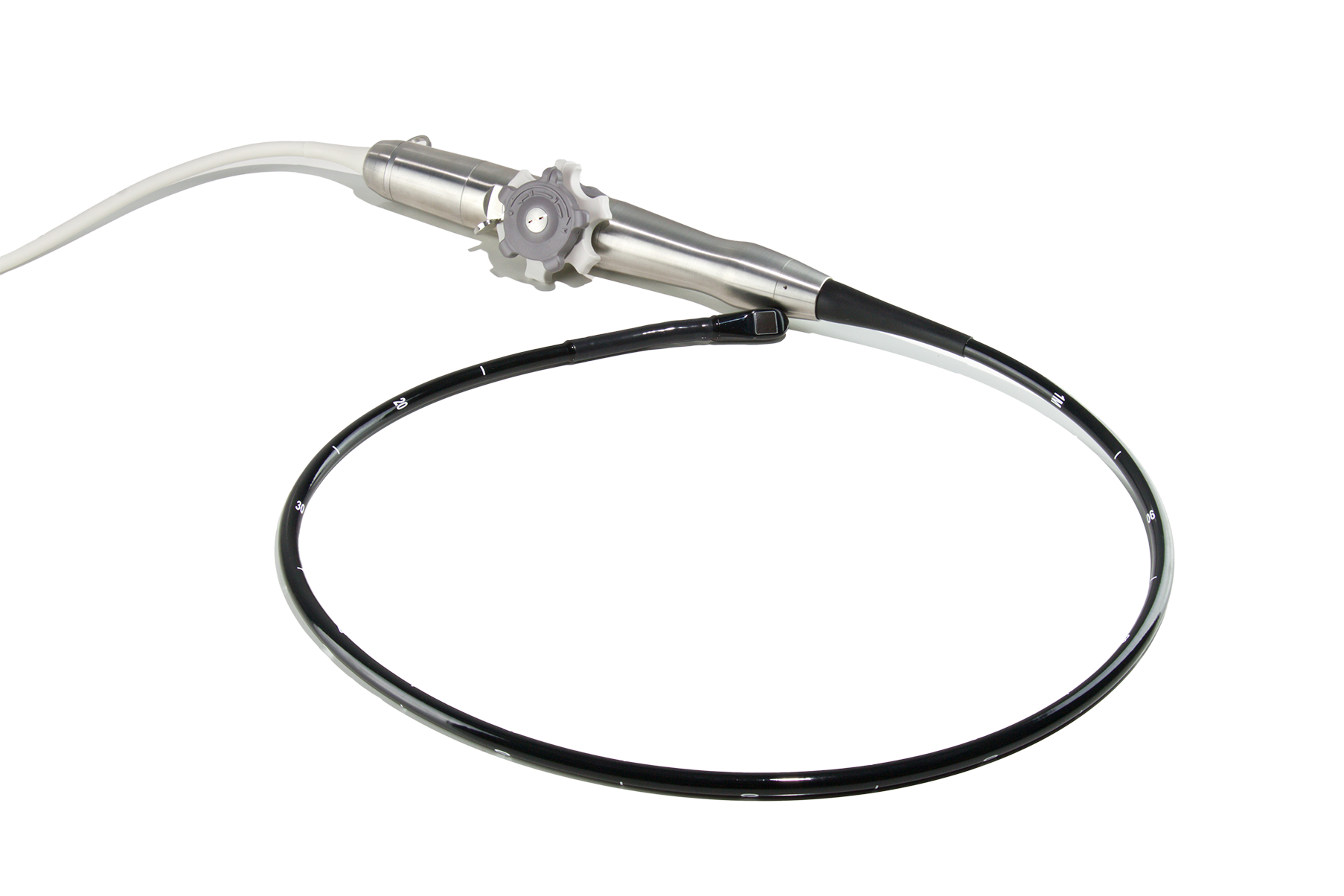
The ultrasound transducer, or probe, is the most critical and physically vulnerable component of the imaging system. It is the primary interface between the patient and the machine, making it highly prone to physical damage and wear.
Acoustic Lens Delamination and Wear
The acoustic lens is the soft rubber-like material on the face of the probe that contacts the patient's skin. Over time, this material can degrade due to the chemical composition of ultrasound gels or improper disinfection agents.
Delamination occurs when the lens separates from the matching layer beneath it. This creates air pockets that impede sound wave transmission, resulting in image artifacts or signal loss in specific areas of the scan.
Piezoelectric Crystal Damage
Inside the probe, hundreds of piezoelectric crystals are responsible for generating and receiving ultrasound waves. These elements are extremely fragile and sensitive to mechanical shock.
If a probe is dropped or banged against a hard surface, individual crystals or groups of crystals can fracture. This typically manifests as distinct, vertical black dropout lines in the ultrasound image where no data is being received.
Cable and Connector Strain
The heavy coaxial cables connecting the probe to the system console are subject to constant bending and twisting. Common issues include:
- Internal wire breakage: This leads to intermittent signal loss when the cable is moved.
- Strain relief failure: The rubber boot where the cable enters the connector or probe head often cracks, exposing internal wiring.
- Bent connector pins: Improper insertion of the probe connector into the console can bend or break the delicate pins, preventing the system from recognizing the probe.
2. User Interface and Control Panel Malfunctions
The control panel is the command center of the ultrasound machine, enduring thousands of keystrokes and adjustments daily. Physical wear and environmental contaminants are the primary causes of failure in this subsystem.
Trackball Assembly Issues
The trackball is arguably the most frequently used interface component and consequently the most prone to failure. Because it is essentially an inverted mouse, it easily traps dust, lint, and dried ultrasound gel.
When debris accumulates on the internal rollers or optical sensors, the cursor becomes erratic, sticks in one direction, or fails to move entirely. While cleaning often resolves this, the mechanical sensors eventually wear out and require replacement.
TGC Slider Potentiometers
Time Gain Compensation (TGC) sliders allow sonographers to adjust the gain at specific depths. These sliders use potentiometers that can accumulate dust and oxidation on their resistive tracks.
When these components fail, the image may show bands of incorrect brightness that jitter or do not respond to adjustments. In severe cases, the system may register phantom inputs, altering the image quality without user intervention.
Rotary Encoder Failure
The knobs used for adjusting overall gain, depth, and zoom are typically rotary encoders. With extensive use, the detents inside the knobs wear down, losing their tactile feedback.
Electrically, the encoder may skip steps or send erratic signals, making precise adjustments difficult or impossible for the clinician.
3. Power Supply and Thermal Management Failures
Ultrasound machines are essentially high-performance computers with specialized high-voltage subsystems. Stable power delivery and effective cooling are vital for their operation, yet these areas are frequent sources of catastrophic failure.
High Voltage (HV) Power Supply Instability
The system requires a dedicated high-voltage supply to drive the transducer crystals. Capacitors within the power supply unit (PSU) degrade over time due to heat and age.
Symptoms of PSU failure can range from the machine failing to power on entirely, to random shutdowns during operation. Voltage ripples caused by failing capacitors can also introduce electronic noise into the image, appearing as snow or static interference.
Overheating Due to Dust Accumulation
Medical environments are not dust-free, and ultrasound machines rely on fans to cool their high-performance processors and beamformers. Over time, air intake filters and internal heatsinks become clogged with dust and lint.
When airflow is restricted, internal temperatures rise, triggering thermal sensors to shut down the machine to prevent permanent damage. Chronic overheating can lead to the premature failure of the CPU, GPU, or beamforming boards.
4. Software and Backend Processing Errors
Modern ultrasound systems run on complex operating systems, often based on Windows or Linux / Unix variants. Like any computer, they are susceptible to software corruption and hardware-software interface issues.
Boot Failures and Hard Drive Corruption
Sudden power loss, such as unplugging the machine without a proper shutdown sequence, can corrupt the operating system files or the patient database. This often leads to "Blue Screen of Death" errors or the machine hanging during the boot sequence.
Furthermore, older machines utilizing mechanical hard disk drives (HDDs) are vulnerable to vibration damage during transport between hospital wards, leading to bad sectors and data loss.
Image Artifacts from Beamformer Malfunction
The beamformer is the engine that processes the raw signals from the probe. Malfunctions here are often subtle but clinically significant.
Faulty channels on the beamformer board can cause "ghosting" artifacts or geometric distortion in the image. Unlike probe damage, which is usually localized, beamformer issues often affect the entire image processing chain.
Conclusion
The reliability of medical ultrasound equipment is contingent upon regular preventative maintenance and proper handling. While some failures, such as capacitor aging, are inevitable, many issues related to probes and cooling systems can be mitigated.
Hospitals and clinics must implement strict cleaning protocols for trackballs and filters, and ensure staff are trained in the careful handling of transducers. Recognizing the early signs of these common technical faults allows for timely intervention, minimizing downtime and ensuring the accuracy of diagnostic imaging.