Why Ultrasound Systems That Pass Idle Self-Checks Still Fail During Long Scan Sessions
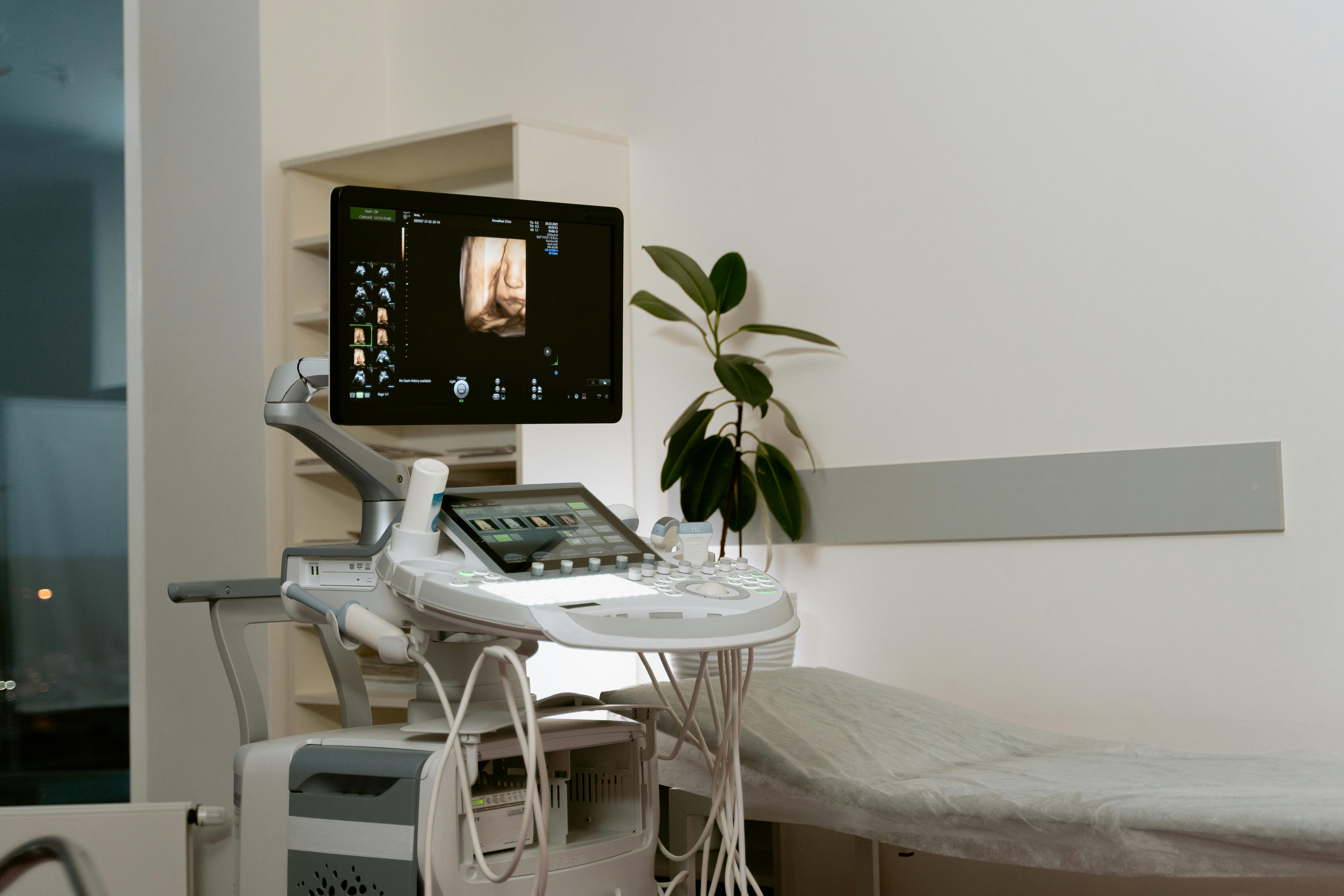
Some ultrasound systems look healthy during a quick startup check, pass basic idle tests, and even appear stable for the first few minutes of use. Then the trouble starts later. After a longer scan session, the machine may slow down, lose stable control response, show intermittent warnings, or begin exposing faults that were invisible during short observation windows.
This pattern matters because it creates false confidence. A machine that behaves well at idle is often treated as electrically sound, when the real weakness only appears after heat, sustained power draw, repeated control activity, and internal load accumulation have had time to build.
Recommended replacement option: Philips 4535 617 06442 Power Board 4535 614 73244
Why idle checks miss the real problem
Idle checks mainly prove that a system can boot, hold basic standby stability, and survive light interaction. They do not reproduce the same thermal, electrical, and operational stress that develops during a real scanning session. Once the session length increases, weak power regulation, aging board components, marginal solder joints, or unstable support circuits may start drifting outside their safe operating window.
What this failure pattern usually looks like
A common field pattern is that the machine starts the day normally, then becomes less stable after extended use. Menus may lag, some controls may respond inconsistently, image behavior may become less predictable, or the system may show warning states that disappear after a reboot and then return again later. The later the symptom appears, the easier it is to underestimate the hardware layer behind it.
What to inspect first
Check whether the fault timing follows heat buildup, longer operating sessions, or repeated scan cycles. Look for boards or modules associated with power conditioning, support regulation, or interfaces that remain quiet at startup but become unstable after load duration increases. If the system looks fine cold and unreliable warm, the inspection path should move quickly toward board-level stability rather than staying focused on software guesses.
Why earlier replacement reduces wasted labor
Late-appearing faults consume time because every short test seems to clear the machine. Engineers repeat startup checks, operators report “temporary recovery,” and teams keep reopening the case without isolating the real weak layer. Replacing the unstable board or support path earlier is often cheaper than repeating partial diagnostics that never keep the machine under load long enough to expose the failure honestly.
Related Articles
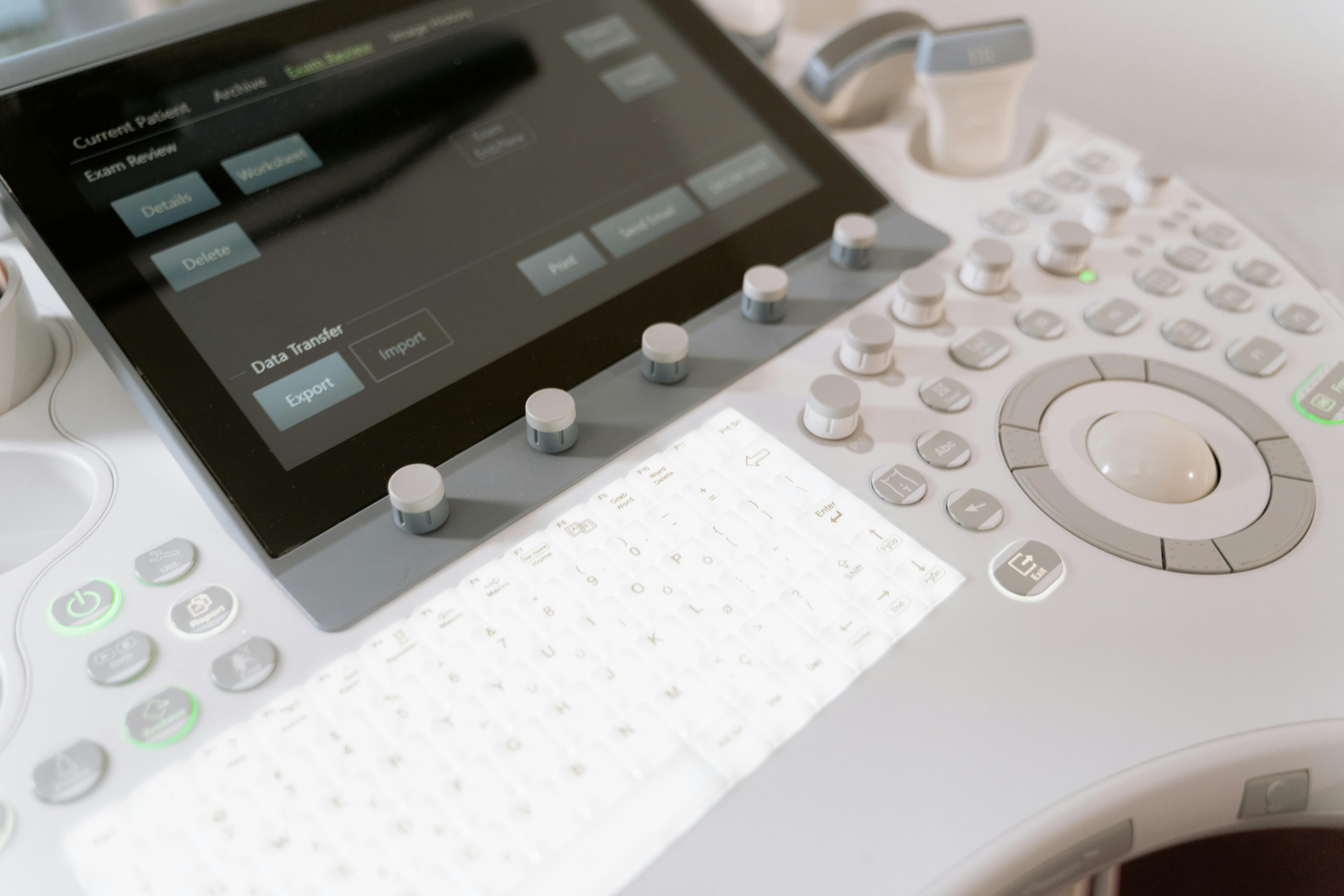
Why Ultrasound Console Buttons Become Unreliable Long Before Total Panel Failure
Intermittent console-button faults can look like lag or deeper console trouble. Here is how to separate input-layer failure from the rest.
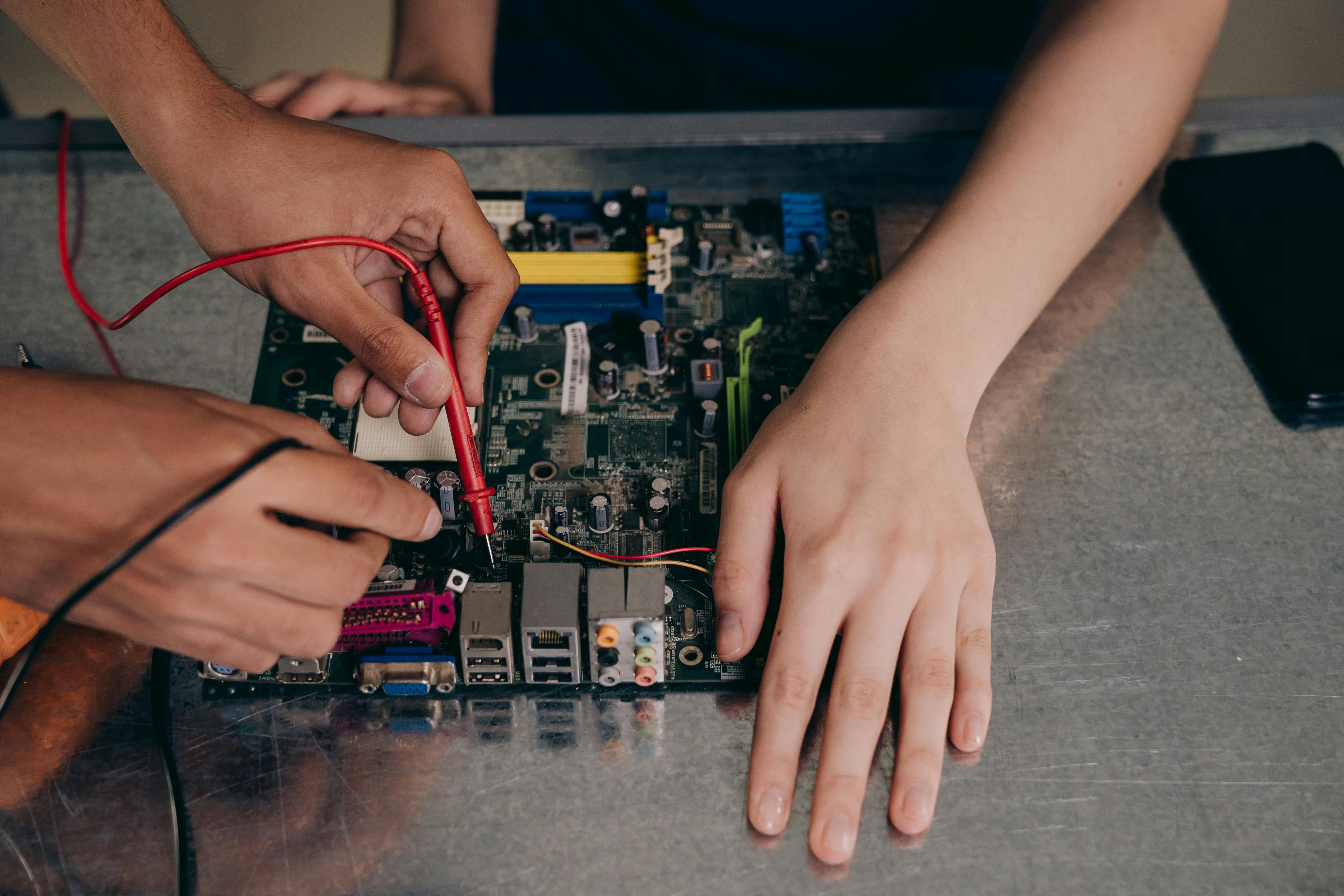
Why Interface Board Instability Can Trigger Multiple Ultrasound System Faults
Interface board instability can imitate several ultrasound system faults at once. Here is why engineers should move the bridge layer higher on the checklist.

Why the TR192 Board in Samsung H60 Systems Burns Through So Easily
A practical fault introduction to the TR192 transmit board in Samsung H60 ultrasound systems, including common burn-through causes, field symptoms, diagnostic checkpoints, and repair-risk notes.