Why Interface Board Instability Can Trigger Multiple Ultrasound System Faults
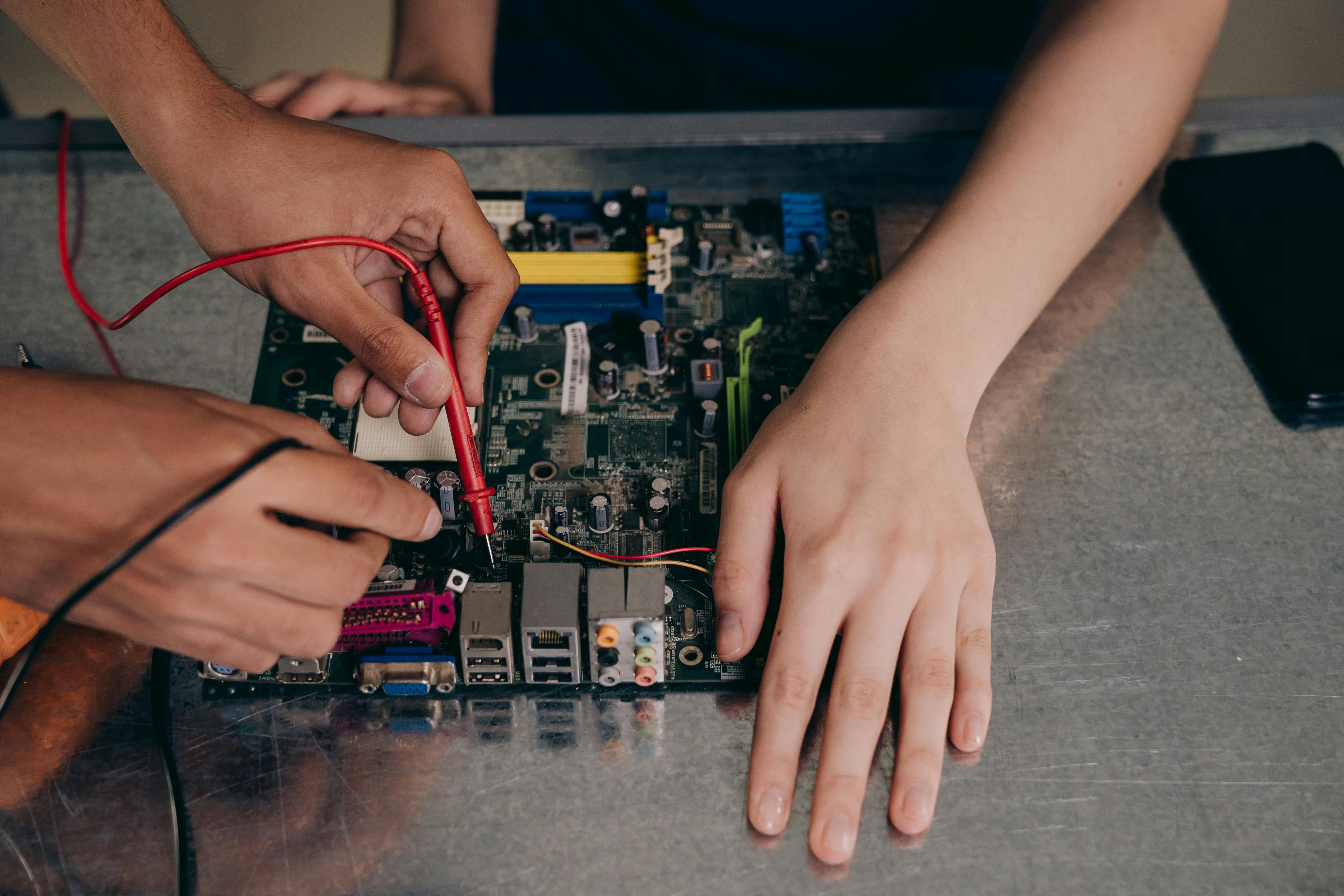
When an ultrasound system begins showing several unstable behaviors at once, engineers often suspect the main board first. In practice, an interface board can create the same confusion. If one bridge layer between subsystems starts failing, the machine may show communication alarms, intermittent boot issues, peripheral dropout, or unstable probe behavior that looks much larger than the real fault.
That is why interface-board instability deserves more attention in field diagnosis. It sits between major functional sections, so a weak board can make several other modules look guilty at the same time.
Recommended replacement option: GE 2355880-4 RFI Board
What this failure pattern usually looks like
A machine may boot normally, then lose one function after load changes. In other cases a probe initializes inconsistently, one control path drops, or a restart temporarily clears the fault. These are exactly the kinds of symptoms that waste engineering time because they do not point to one obvious board at first glance.
Why engineers often misdiagnose it
Once one bridge board becomes unstable, the fault no longer stays neatly isolated. Communication alarms, scan instability, connector-side suspicion, and even apparent main-board trouble can all show up around the same time. That pushes engineers toward deeper and more expensive replacements before the shared interface layer has really been ruled out.
First checks before deeper replacement
The most useful first checks are practical. Inspect connector seating, local oxidation, heat stress, weak solder areas, and any signs that the board becomes unstable only after the machine changes operating state. If several symptoms cluster around one transition point, the interface layer should move much higher on the checklist.
Why early correction matters
When an unstable interface board stays in service too long, troubleshooting cost climbs fast. Teams end up swapping multiple parts, repeating probe tests, or chasing downstream symptoms that all trace back to the same bridge-layer weakness. Replacing the unstable section earlier is often cheaper than continuing to diagnose around it.
Recommended replacement path
If the fault pattern keeps pointing back to the same communication or bridge section, it makes sense to compare a matching interface-board replacement early instead of treating it as a last guess. The goal is not just to replace one bad-looking part, but to restore stable coordination across the rest of the platform before more time is burned on secondary symptoms.
Related Articles
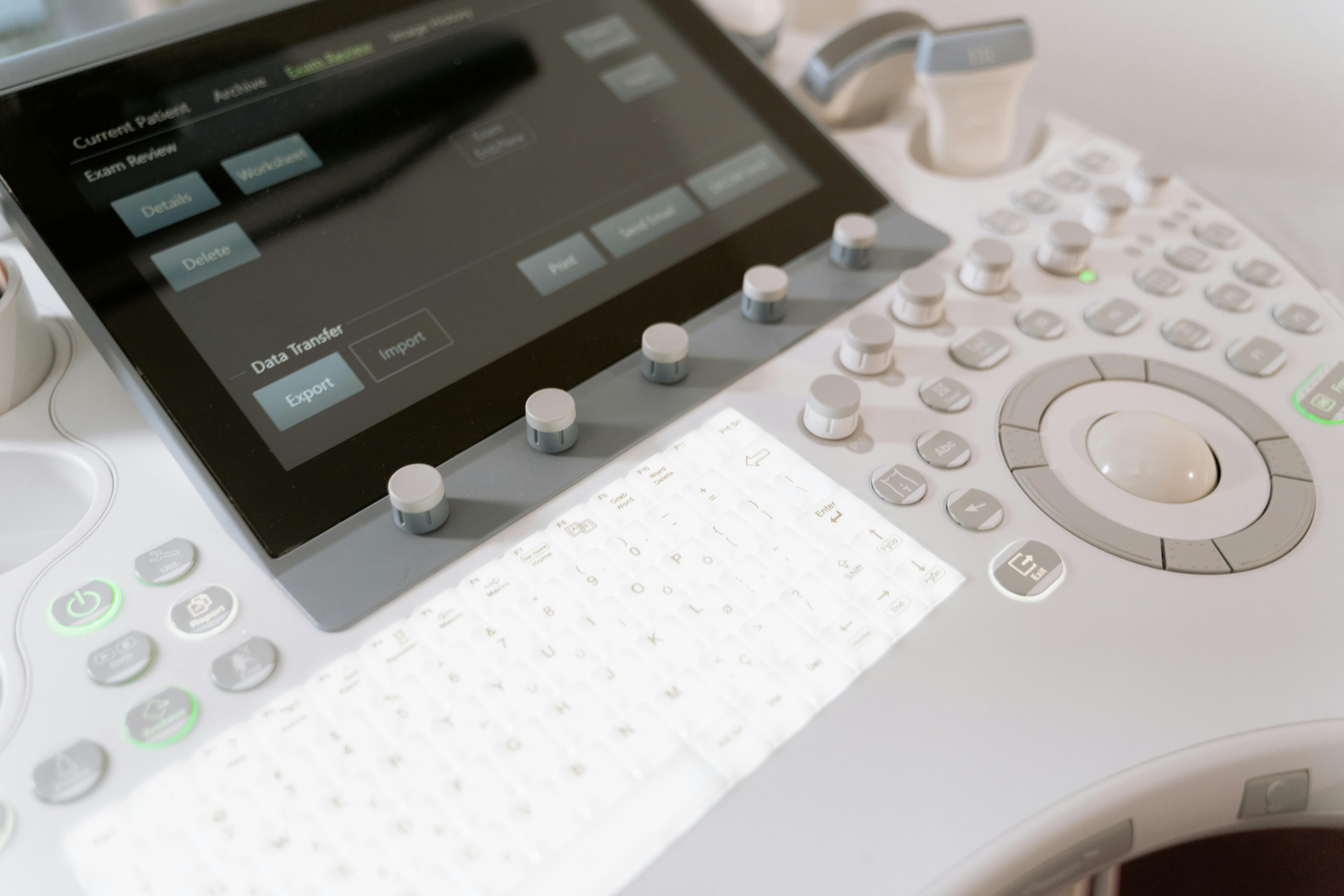
Why Ultrasound Console Buttons Become Unreliable Long Before Total Panel Failure
Intermittent console-button faults can look like lag or deeper console trouble. Here is how to separate input-layer failure from the rest.

Why the TR192 Board in Samsung H60 Systems Burns Through So Easily
A practical fault introduction to the TR192 transmit board in Samsung H60 ultrasound systems, including common burn-through causes, field symptoms, diagnostic checkpoints, and repair-risk notes.
Why Video Splitters and Isolators Matter in GE CT, MRI, and Industrial Monitoring Systems
Video splitters and isolators do far more than duplicate a display feed. In medical imaging and industrial monitoring systems, they protect equipment, preserve image integrity, and prevent dangerous ground-loop problems.