Why Delayed Soft-Key Response Often Signals More Than Surface Wear in Ultrasound Consoles
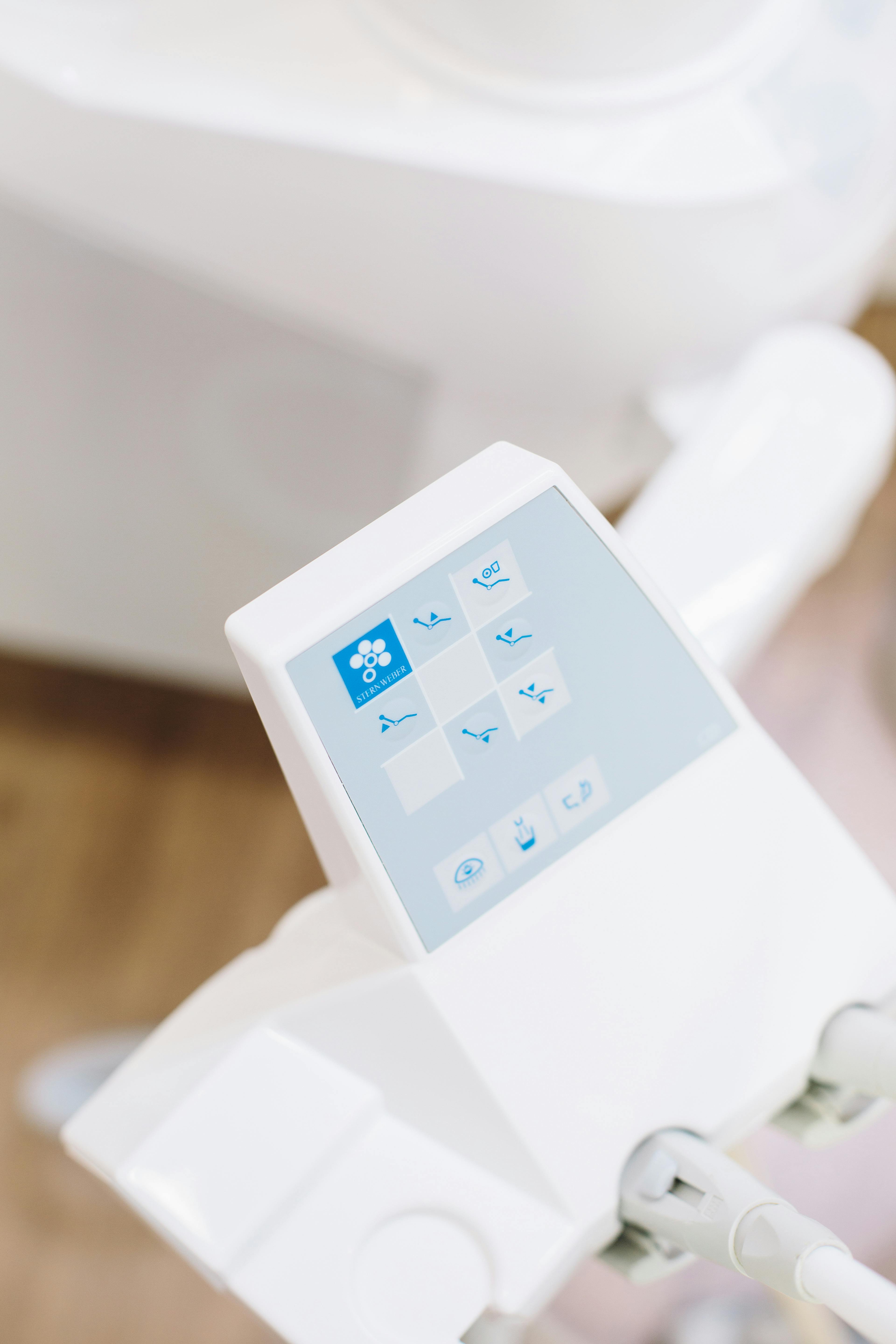
Why Delayed Soft-Key Response Often Signals More Than Surface Wear in Ultrasound Consoles
Soft-key delay often gets dismissed as minor wear, but the pattern can be much more revealing. When response slows unevenly across a control area, the visible symptom may be pointing to a deeper instability in the console-side signal path rather than to one tired switch.
Recommended replacement option: GE Lower Operation Panel Main Board
What this failure pattern usually looks like
Operators notice that one cluster of controls feels less dependable than before. Commands register late, a second press becomes more common, or soft keys behave differently after longer sessions.
Why the visible symptom can mislead engineers
Because the problem appears at the fingertips, it is easy to stop at the surface. But shared-path issues in ribbons, controller logic, or local power can create the same symptom while sitting beneath the visible control layer.
What to inspect first
Check whether the symptom stays isolated to one mechanical part or follows a broader logical control group. Compare short use with extended use and watch whether nearby functions drift together.
Why earlier correction matters
Once users start compensating for delayed response, the real pattern becomes harder to read. Early correction keeps the fault narrower and easier to isolate.
Related Articles
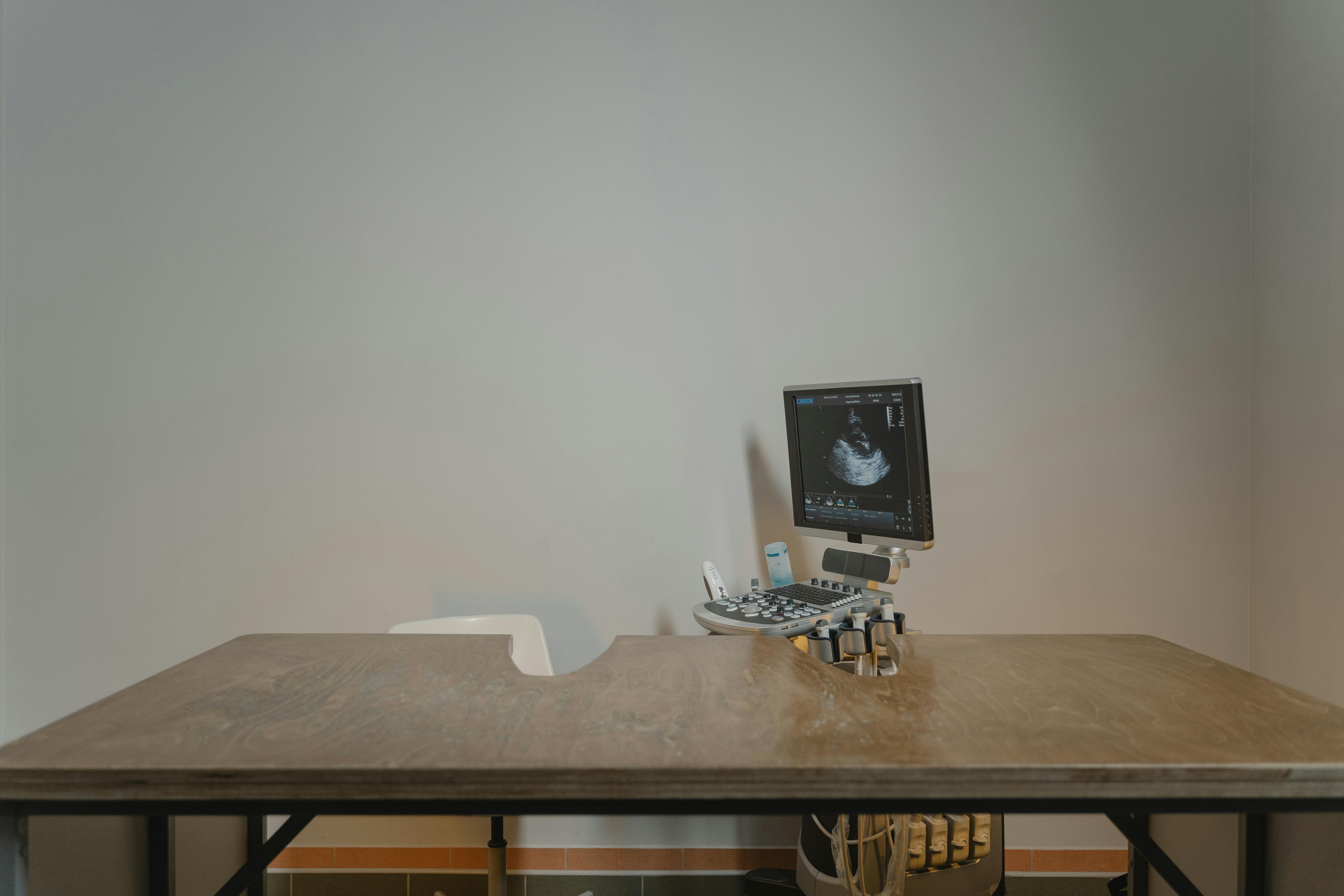
Why Console Navigation That Gets Worse With Use Often Exposes Panel-Control Weakness Earlier Than A Hard Failure
If navigation gets less crisp as the session goes on, the panel-control path may already be weakening while the machine is still broadly usable.
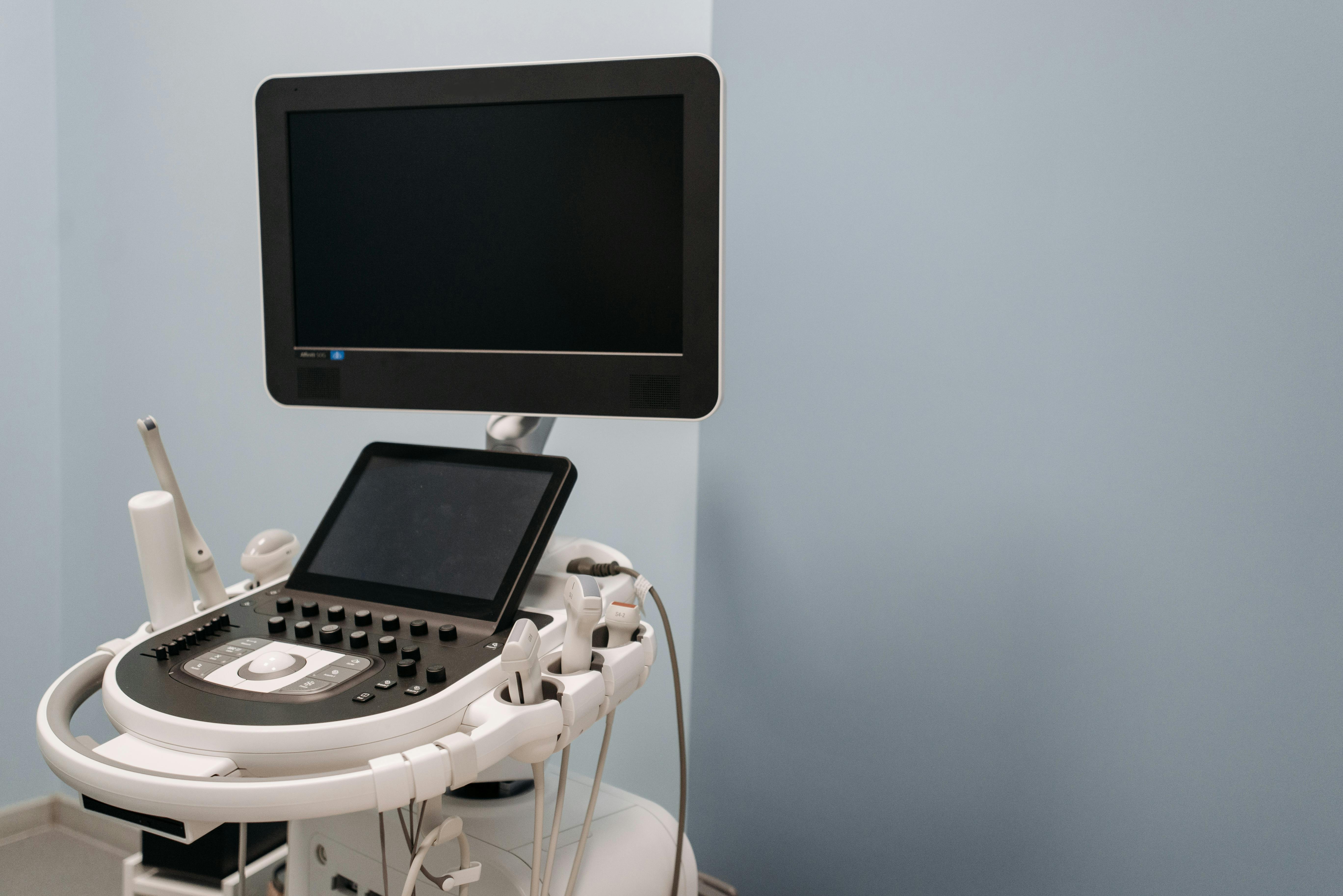
Why A Drifting Keyboard Cluster Usually Points To The Shared Input Path, Not Five Bad Keys
When the same keyboard cluster becomes uneven together, the better suspect is usually the shared console path rather than several unrelated button failures.