Why Menu Lag and Key Hesitation Can Be an Early Warning of Console-Side Board Instability
Why Menu Lag and Key Hesitation Can Be an Early Warning of Console-Side Board Instability
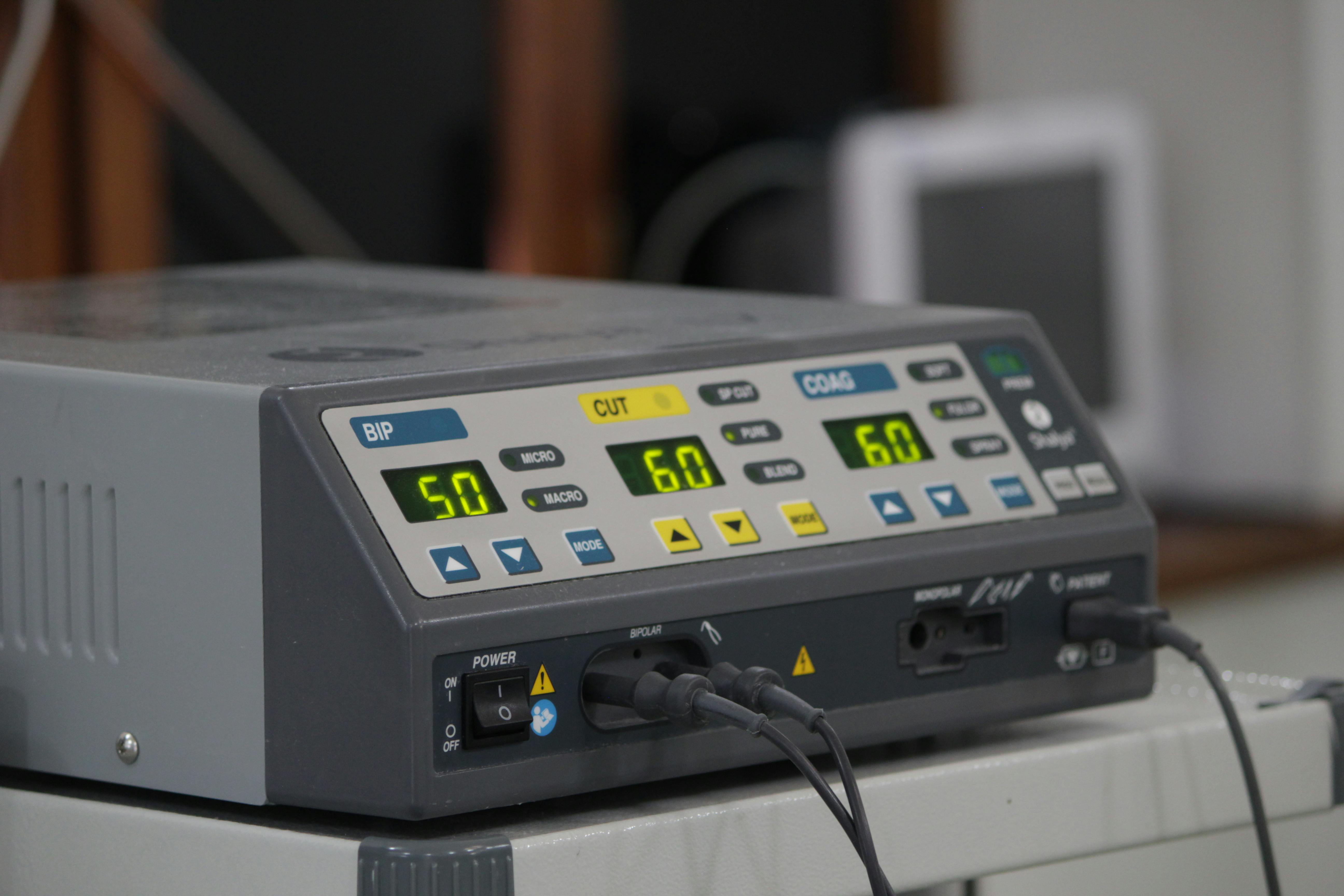
A console does not need to fail completely before it starts warning you. Mild menu lag, occasional hesitation, or keys that feel slower late in a session often represent the first visible stage of a deeper console-side weakness. These early changes are valuable because they appear while the system is still diagnosable.
What this failure pattern usually looks like
The system remains usable, but operators begin noticing that navigation feels less crisp than before. Menus stall briefly, response timing drifts during longer sessions, or certain actions require repeated input even though the controls are not fully dead.
Why the visible symptom can mislead engineers
Because the machine still responds, the issue can be dismissed as harmless lag or user perception. In practice, repeated timing drift at the console often points to marginal controller logic, degraded connectors, or a board path that is becoming unstable under routine conditions.
What to inspect first
Separate isolated wear from shared timing behavior. Compare short use against extended use. Check whether lag is concentrated in one function group or whether it appears across several related controls. That distinction helps identify whether the weak layer is local or systemic.
Why earlier correction matters
If teams wait for total failure, they lose the cleaner early-stage pattern. Acting while the symptom is still soft can prevent unnecessary swaps and shorten diagnosis.
Suggested product tie-in
- [---](topProductLabel:)
Related Articles
Why Console Navigation That Gets Worse With Use Often Exposes Panel-Control Weakness Earlier Than A Hard Failure
If navigation gets less crisp as the session goes on, the panel-control path may already be weakening while the machine is still broadly usable.
ทำไมกลุ่มปุ่มคีย์บอร์ดที่ตอบสนองผิดเพี้ยนพร้อมกัน มักจะชี้ไปที่เส้นทางอินพุตร่วม ไม่ใช่ปุ่มเสียห้าปุ่ม
เมื่อกลุ่มปุ่มคีย์บอร์ดเดียวกันเริ่มทำงานไม่สม่ำเสมอพร้อมกัน สาเหตุที่น่าสงสัยมากกว่ามักจะเป็นเส้นทางคอนโซลร่วม ไม่ใช่ความล้มเหลวของปุ่มต่างๆ ที่ไม่เกี่ยวข้องกัน