How Predictive Maintenance Reduces Ultrasound System Failures: Insights from a 4-Year Review
Why Predictive Maintenance Matters
Ultrasound systems in busy radiology departments operate under continuous clinical demand. Unplanned downtime can disrupt patient flow and increase costs. Predictive maintenance (PdM) addresses this by analyzing failure patterns and operational data to identify risks earlier and prioritize targeted interventions.
What the 4-Year Review Found
A study of five diagnostic ultrasound machines from 2013–2016 reported 108 failures in total—about 2.4 failures per month on average. The distribution of failure causes was:
- Hardware issues: ~40.7%
- Software issues: ~30.5%
- Probe failures: ~28.7%
This split highlights that probes and hardware components remain high-risk areas and deserve focused maintenance attention.
Quality Assurance Reduces Repair Time
One key finding was a statistically significant negative correlation between routine QA effort and time spent replacing faulty parts (P = 0.007). In other words, stronger QA programs helped reduce repair time—improving equipment availability and workflow stability.
Although the relationship between QA time and total annual breakdowns was not statistically significant, the data still showed a decreasing trend in yearly failures after PdM implementation.
Practical Takeaways for Imaging Departments
- Track failures in a structured way: Categorizing faults (software, hardware, probe) helps isolate recurring issues.
- Invest in routine QA: Consistent QA shortens repair cycles and reduces clinical downtime.
- Monitor probes closely: With nearly one-third of failures tied to probes, proactive testing and lifecycle tracking are essential.
- Optimize PdM continuously: Combine failure trends with usage and operating parameters to refine maintenance strategy.
Conclusion
This 4-year review suggests that predictive maintenance can reduce repair time and is associated with a downward trend in ultrasound system failures. For departments managing high-use imaging equipment, a structured PdM + QA program is a practical way to improve uptime and maintain clinical service quality.
Reference: Chu G, et al. Failure Analysis for Ultrasound Machines in a Radiology Department after Implementation of Predictive Maintenance Method. J Med Ultrasound. 2018;26(1):42–44. PubMed: 30065512.
Related Articles
The Critical Link: How Ultrasound Transducer Design Defines Beamforming Quality
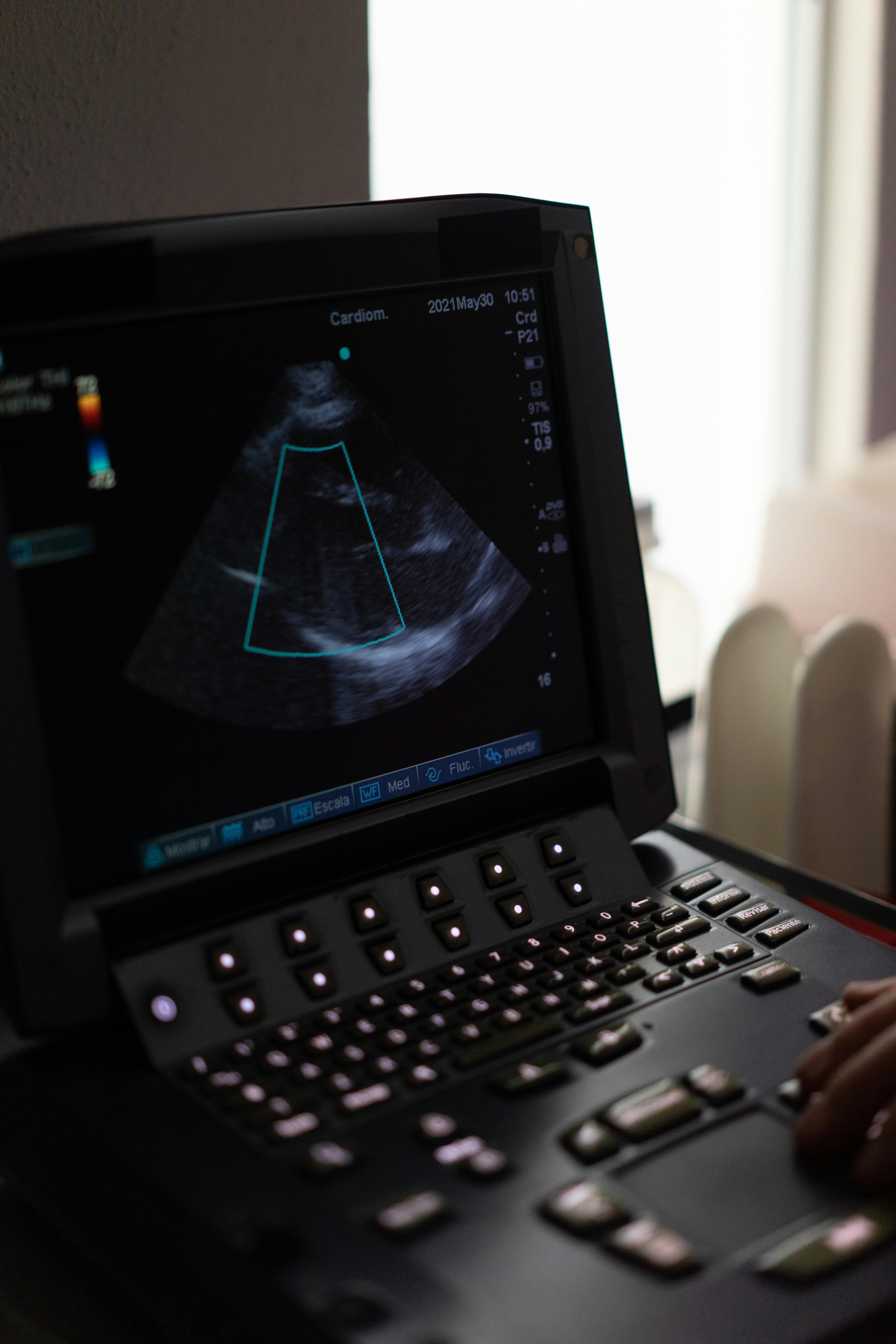
Explore the intricate relationship between ultrasound probe architecture and image fidelity. This article details how element pitch, bandwidth, and acoustic stack engineering determine the success of beamforming algorithms.
A Comprehensive Compatibility Guide for the Toshiba SSH-140A (PowerPace) Ultrasound System
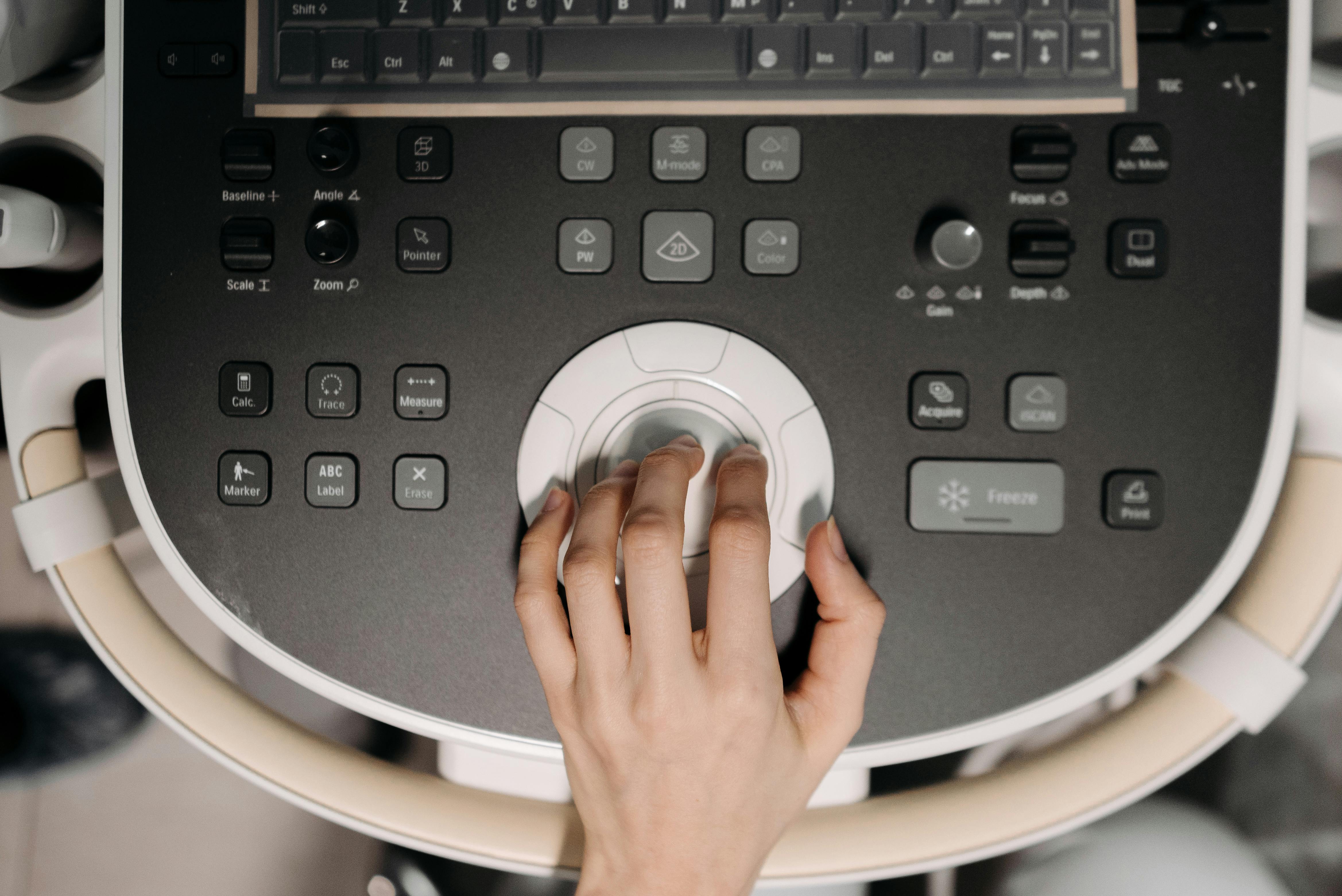
Discover which transducers, systems, and peripherals are compatible with the legacy Toshiba SSH-140A ultrasound. This guide covers the SSA-200 (Sonolayer) and SSA-300 (Eccocee/CoreVision) series for seamless parts replacement and system upgrades.
An Engineer's Breakdown: Philips PureWave vs. Conventional Ultrasound Probes
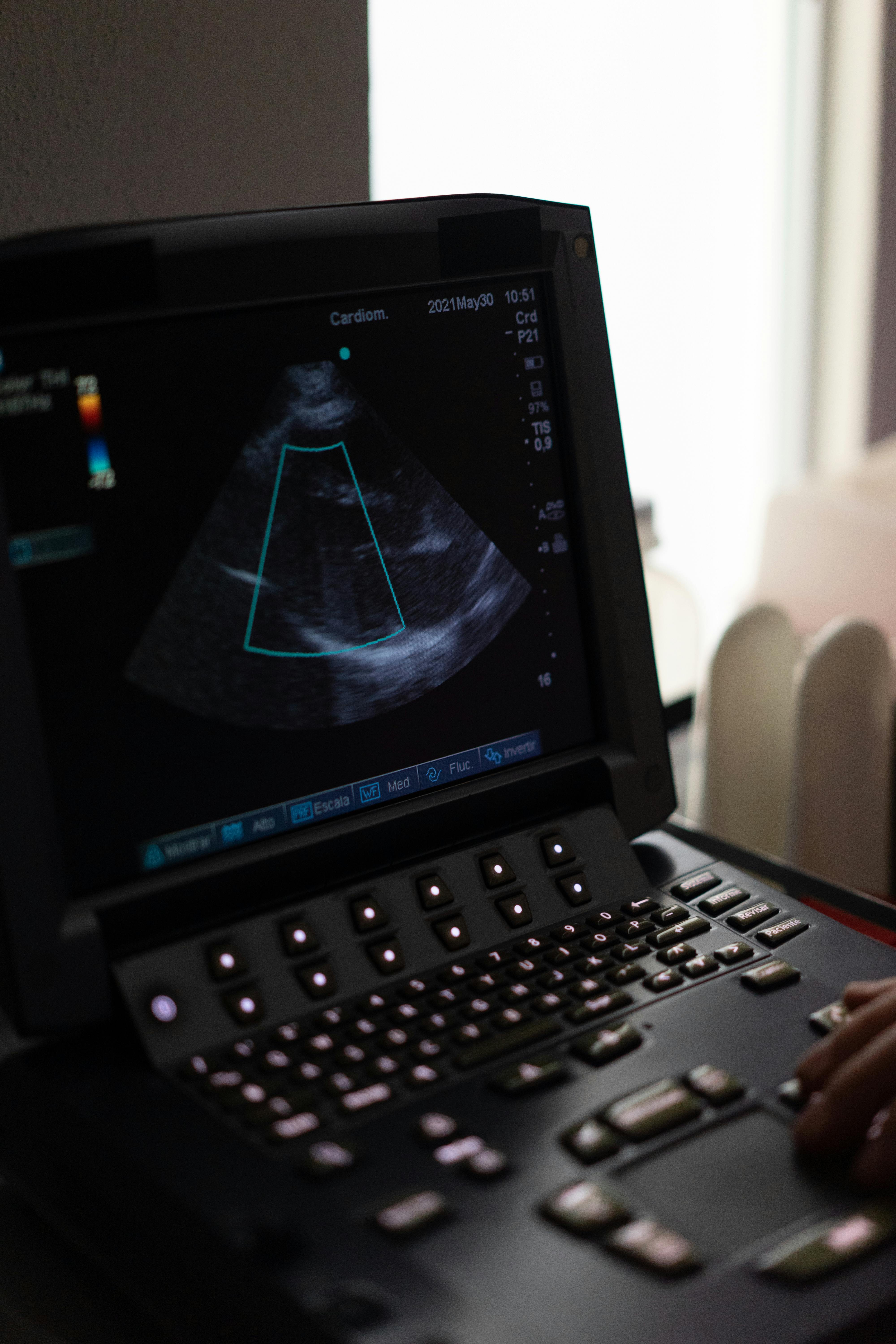
From the perspective of an experienced repair engineer, this article provides an in-depth comparison of Philips' conventional and PureWave ultrasound probes, analyzing everything from imaging performance to failure rates and the true cost of repair.