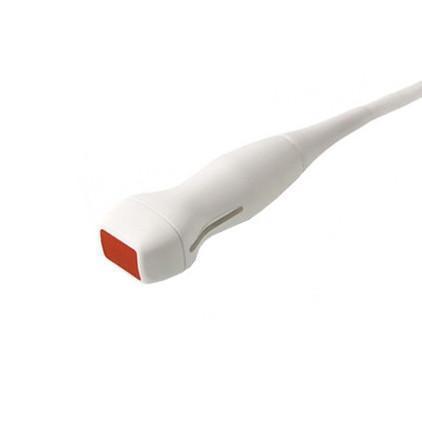
Loading...
Loading...
Global Warehouse Shipping
WorldwideShips from warehouses worldwide — fast, reliable delivery to your country.
Request pricing, availability, and compatibility details from the sales team.
Category:
Ultrasound » Probes
Brand:
Samsung
Model:
K3DV5-9
Description:
Center of Frequency 6.5 MHz, Field of View 150°, Volume Angle 90°
Send your inquiry directly for pricing, availability, and compatibility details.
Explore related ultrasound probes and parts from our catalog.
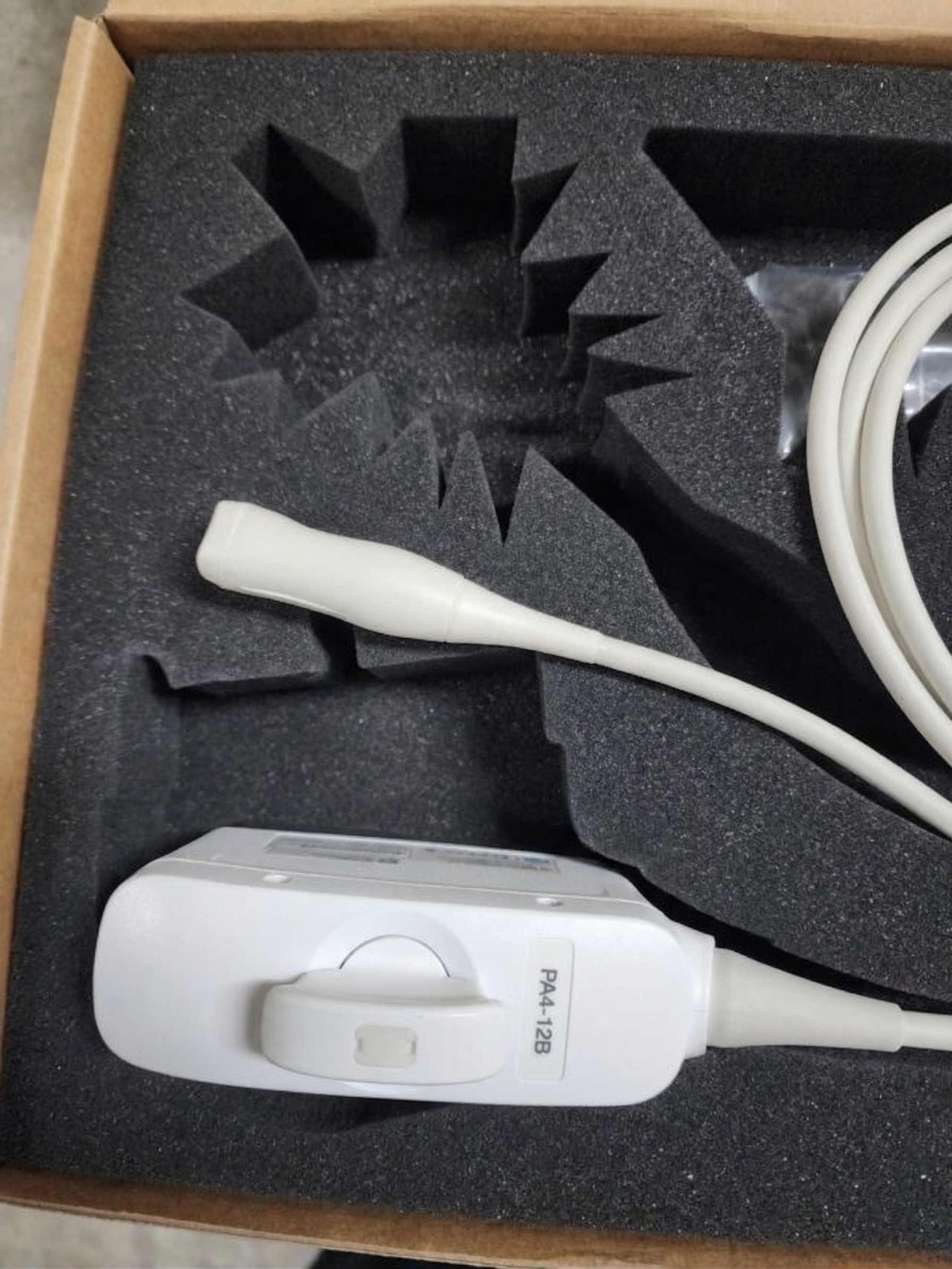


The Samsung center of frequency 6.5 mhz, field of view 150°, volume angle 90° is a Samsung ultrasound transducer listed in our catalog. The verified data on this page — frequency band, compatible console, and category — supports probe identification and procurement decisions.
| Brand | Samsung |
|---|---|
| Product Type | Probes |
| Category | Ultrasound » Probes |
| Model | K3DV5-9 |
| Description | Center of Frequency 6.5 MHz, Field of View 150°, Volume Angle 90° |
| Type | Endocavitary 3D/4D |
| Frequency | 5.0/9.0 Mhz |
| Ultrasound Machine | Accuvix A30, Accuvix XG |
| Compatible Ultrasound System(s) | Accuvix A30, Accuvix XG |
Catalog compatibility covers the following Samsung consoles: Accuvix A30, Accuvix XG. Confirm the host-system revision matches the part reference before placing the order.
Ultrasound probes integrate the piezoelectric element array, the acoustic lens, the connector, and (in many designs) a built-in identification chip that the console reads on connect. Cleaning, disinfection, and inspection between uses follow the manufacturer's reprocessing guide and are part of routine clinical-engineering workflow; mechanical damage to the lens, cable strain relief, or connector pins is the most common cause of probe replacement in the field.
SKU/Link Reference: SamsungK3DV5-9
Type:
Endocavitary 3D/4D
Frequency:
5.0/9.0 Mhz
Ultrasound Machine:
Accuvix A30, Accuvix XG
Suitable for professional medical equipment needs in various hospitals
Meeting professional medical equipment needs in clinics
Supporting professional needs in medical research institutions