Why Unstable GE Console Navigation Often Signals a Broader Input Path Problem

When a GE console still boots, still displays normally, and still responds some of the time, teams often treat input inconsistency as ordinary aging. That is where the first mistake happens.
What this pattern usually looks like
A broader GE input-path issue often starts as workflow friction rather than obvious failure. Operators begin noticing that menu moves feel less trustworthy, repeated presses become more common, and the console no longer responds with the same consistency across routine interactions.
Why the visible symptom can mislead engineers
If one button were clearly dead, the diagnosis would feel easier. But when more than one control starts acting slightly unreliable, people often keep blaming surface wear or user habits. In practice, once instability spreads across a control zone, the better question is whether the signal path behind the panel is starting to deteriorate.
What to inspect first
Start by checking whether the symptom stays local or spreads across nearby controls. Notice whether repeated use makes the issue easier to reproduce, whether navigation is affected as well as direct commands, and whether hesitation appears across more than one operator action.
Why earlier correction matters
A GE console that becomes less trustworthy under normal use is already generating hidden cost. Workflow slows down, confidence drops, and the eventual repair decision often gets delayed until the symptom becomes much harder. Treating early instability seriously usually shortens the path to the right hardware decision.
Suggested product tie-in
Related Articles
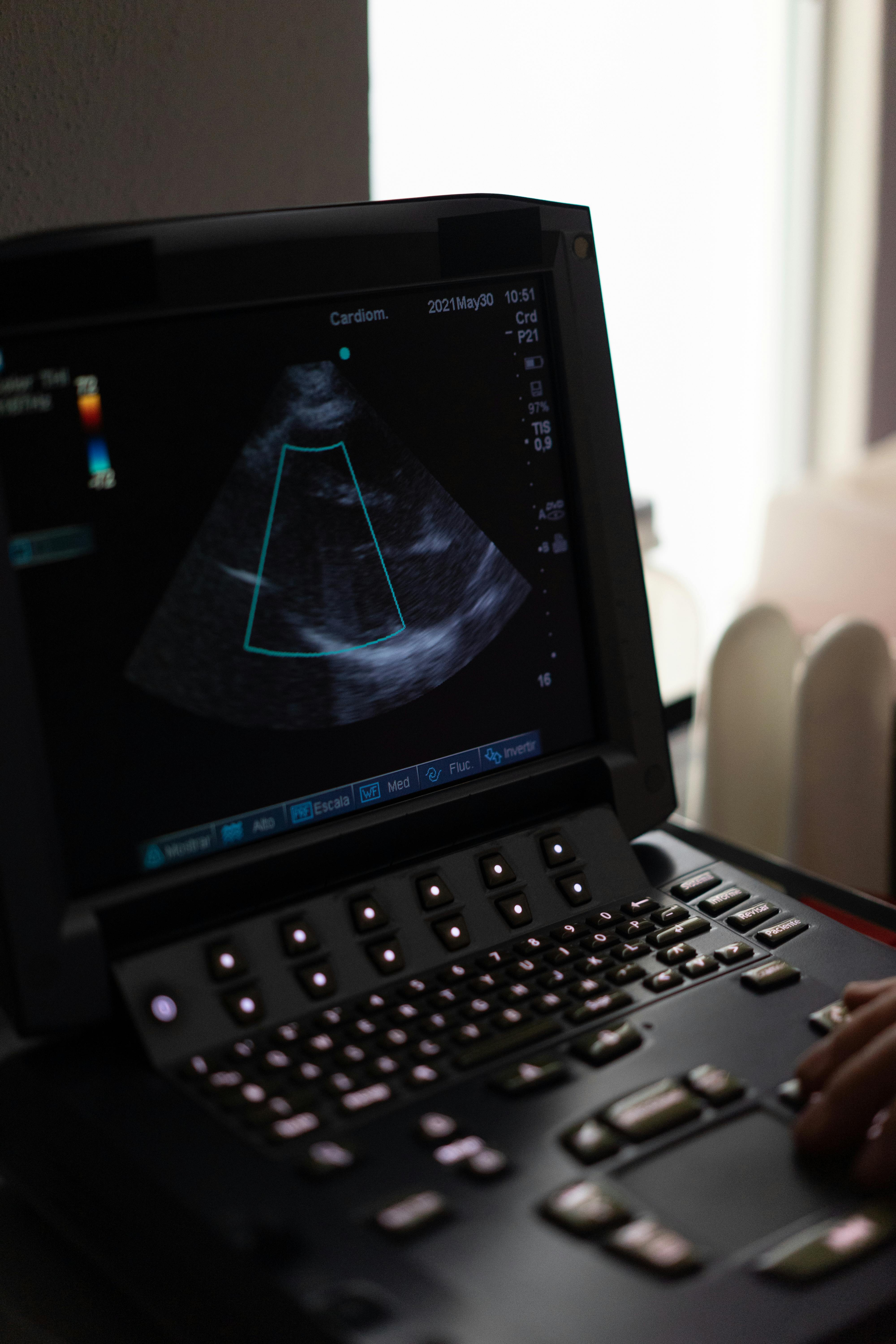
When a GE Input Problem Stops Looking Like One Worn Control
If inconsistency spreads beyond one control, the problem may be in the panel-side signal path rather than simple wear.
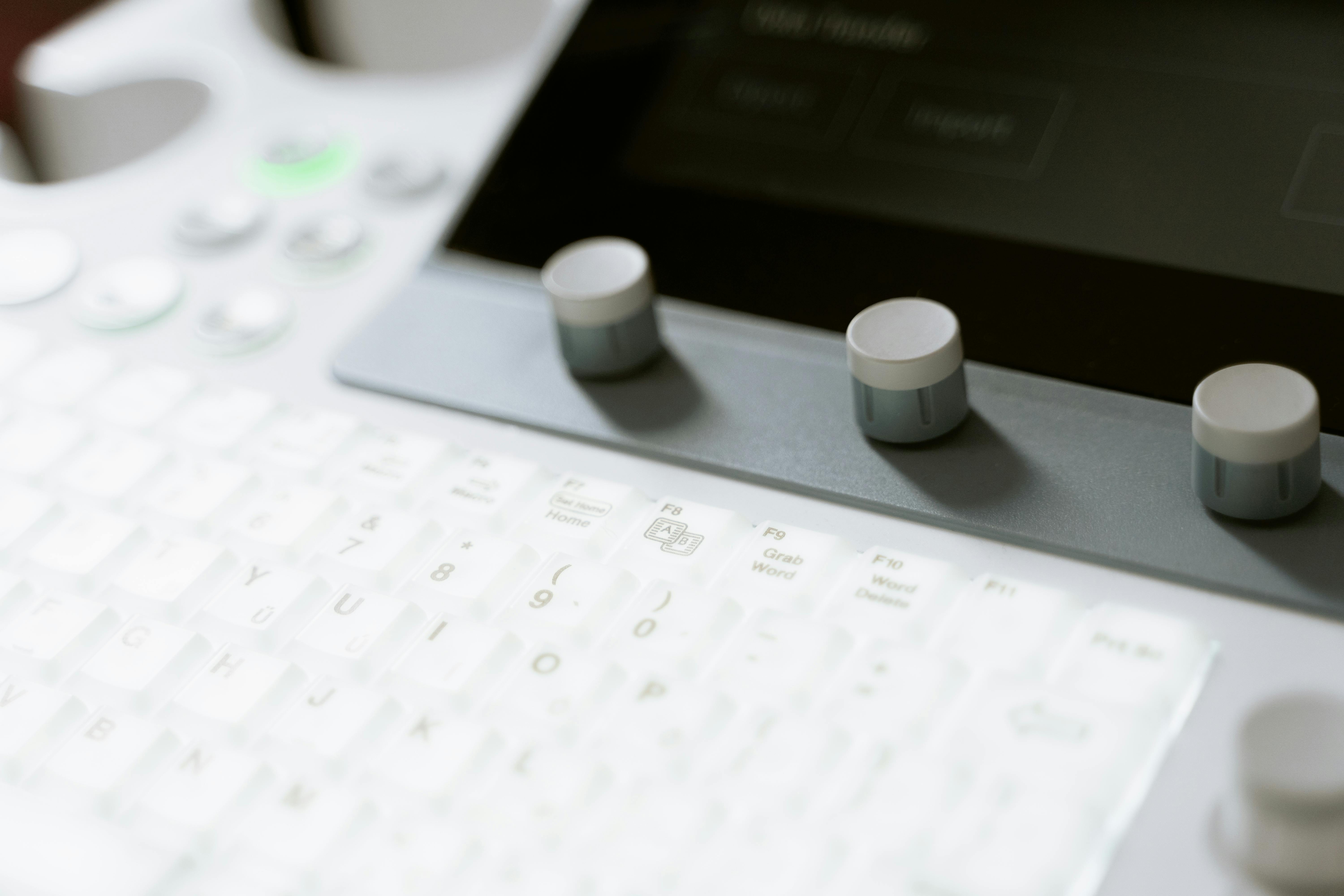
When a GE Input Problem Starts Looking Like a Board Path Issue Instead of Simple Wear
Not every GE input issue starts with obvious hard failure. Many begin as smaller signs of growing inconsistency across more than one operator action.
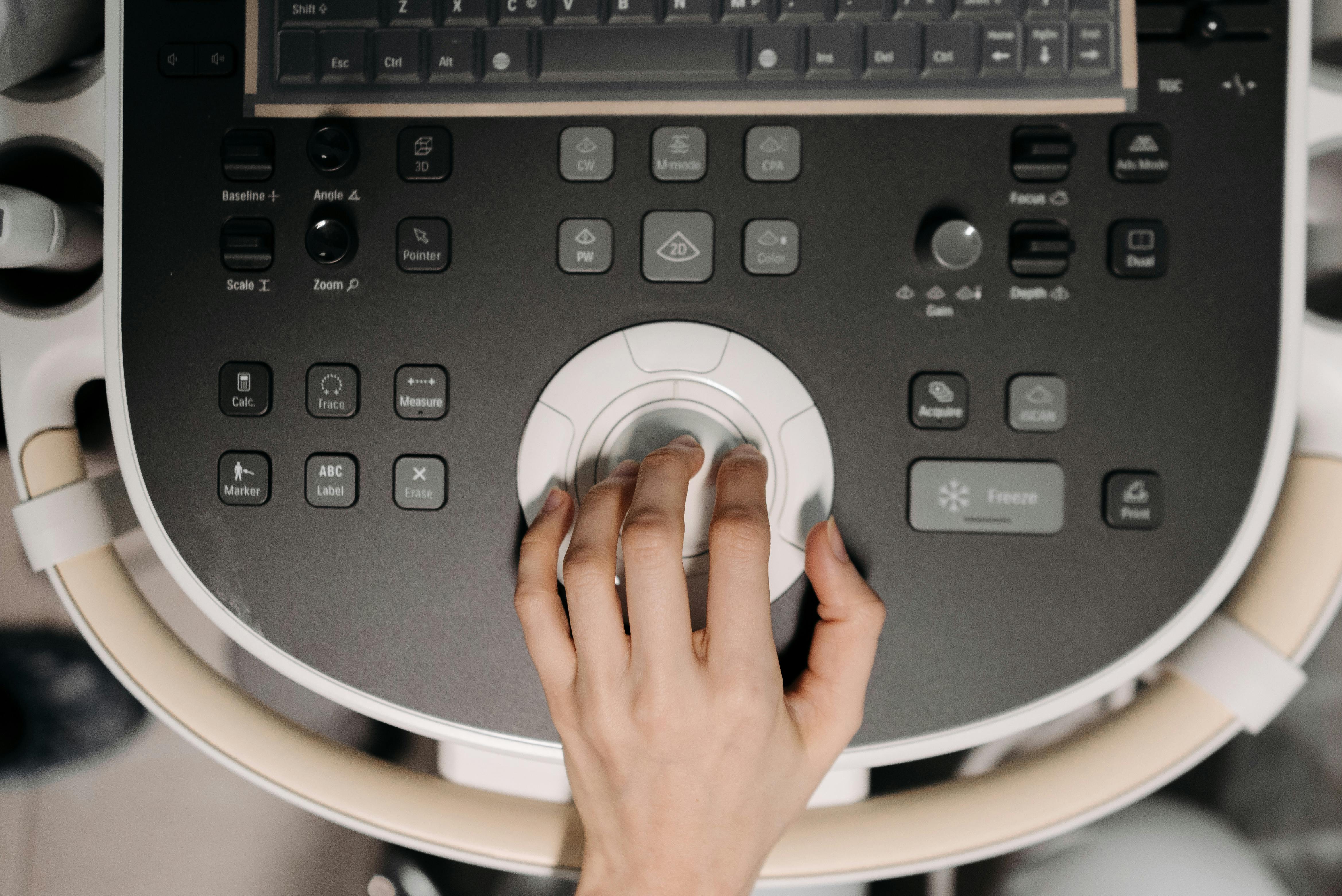
What Sluggish GE Console Input Usually Points To Before Total Panel Failure
Slow or inconsistent console input in a GE system is easy to dismiss at first, but early sluggishness often points to a deeper panel-path issue.