Why Input Inconsistency Across a Console Usually Means More Than One Bad Button

When a console still powers up and still works part of the time, teams often downgrade the problem into ordinary panel aging. That reading is attractive because it sounds contained. It is also how broader input-path issues keep getting diagnosed too late.
What this pattern usually looks like
The first clue is usually inconsistency rather than total failure. Menu movement becomes less trustworthy, repeated presses become common, and the operator starts compensating for the interface instead of trusting it.
Why the visible symptom can mislead engineers
If one key were completely dead, the diagnosis would feel cleaner. But when hesitation spreads across multiple actions, the problem often sits beyond a single surface control. Once several inputs start losing consistency, the better question is whether the board-side or module-side path is becoming unstable.
What to inspect first
Check whether the issue stays limited to one control or follows a wider zone of interaction. Notice whether repeated use makes the behavior more obvious and whether the symptom affects navigation patterns as much as direct commands.
Why earlier correction matters
Input instability slows the user before it stops the system. That hidden drag is exactly why it gets tolerated too long. Earlier correction shortens the repair path and lowers the chance of misreading the failure layer.
Suggested product tie-in
Related Articles
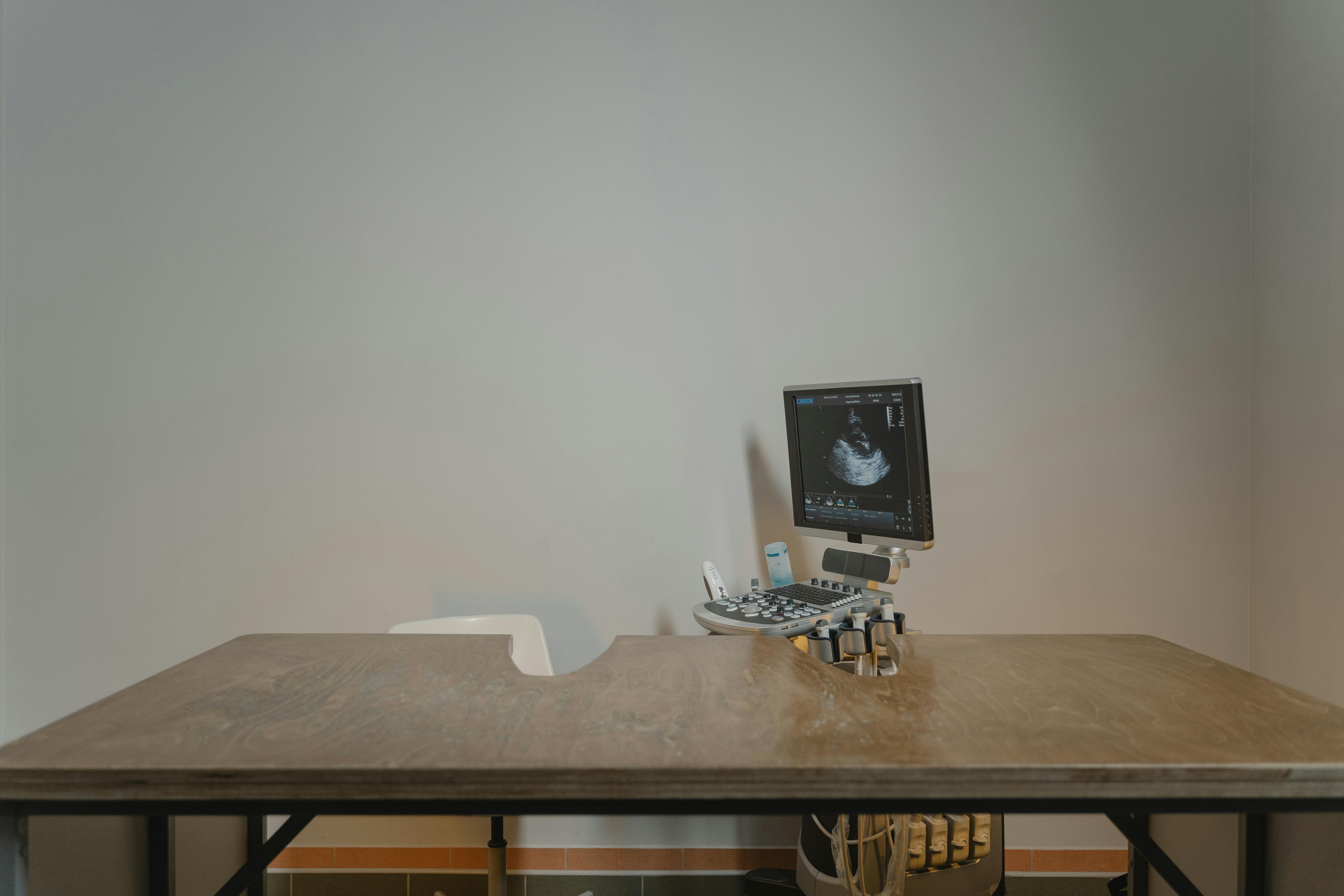
Why Console Navigation That Gets Worse With Use Often Exposes Panel-Control Weakness Earlier Than A Hard Failure
If navigation gets less crisp as the session goes on, the panel-control path may already be weakening while the machine is still broadly usable.

Pourquoi la dérive d'un groupe de touches indique généralement un chemin d'entrée partagé, et non cinq touches défectueuses
Lorsque le même groupe de touches perd en réactivité de manière uniforme, le principal suspect est généralement le chemin partagé de la console plutôt que plusieurs pannes de boutons indépendantes.